Get Emergency Tree Removal
Emergency Tree Removal services connect property owners with local contractors who safely remove fallen, damaged, or hazardous trees to prevent property damage and ensure safety.
Emergency tree removal services are essential for property owners facing hazardous or fallen trees that threaten safety or property integrity. If a storm has caused damage or if a dying or diseased tree poses a risk, finding experienced local contractors can help ensure the situation is addressed promptly and effectively. Exploring your options for these services allows you to compare different providers and select the right solution for your specific needs, ensuring peace of mind during urgent situations.
Property owners in the area may consider emergency tree removal to prevent property damage, protect loved ones, or comply with safety regulations. Whether dealing with unexpected storm damage or planning for potential risks, reviewing local service providers can help identify qualified professionals ready to handle urgent tree removal tasks. Continuing to explore your options can lead to a better understanding of available services and support in making informed decisions for your property's safety.
- Emergency Tree Removal - needed when a fallen or damaged tree poses an immediate hazard to property or safety.
- Storm Damage Tree Cleanup - required after severe weather events that cause trees to become unstable or break.
- Hazard Tree Removal - necessary when a living tree shows signs of disease or structural weakness that threaten nearby structures.
- Dead Tree Removal - performed when a tree has died and risks falling or causing damage in high winds.
- Tree Limb Removal - needed to eliminate broken or hanging branches that could fall and cause injury or property damage.
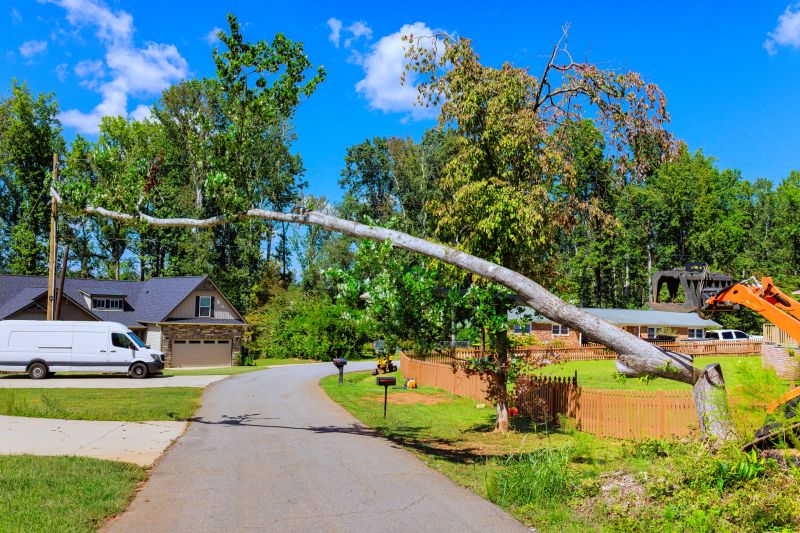
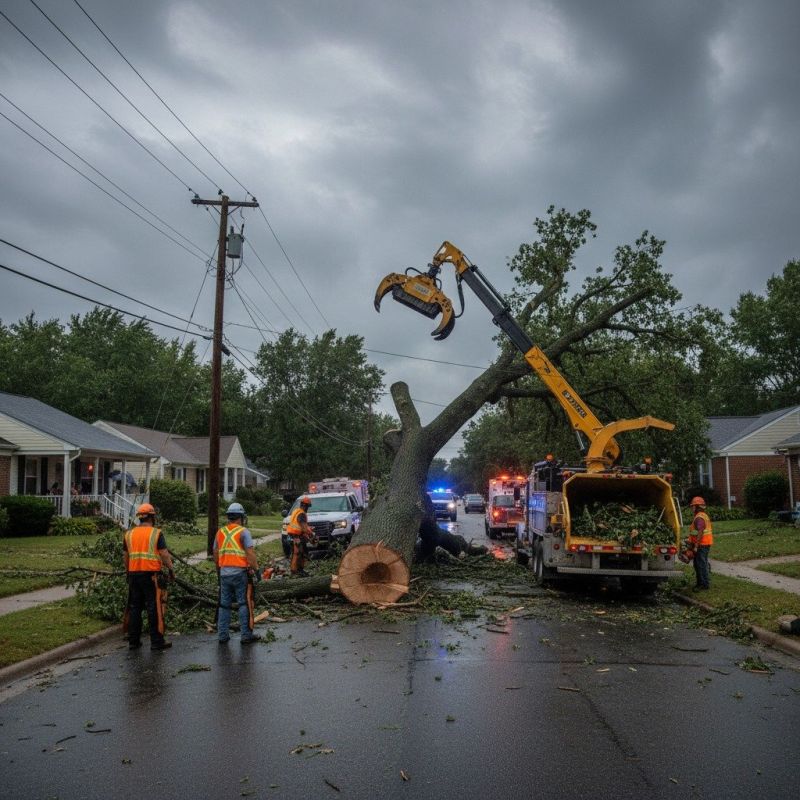
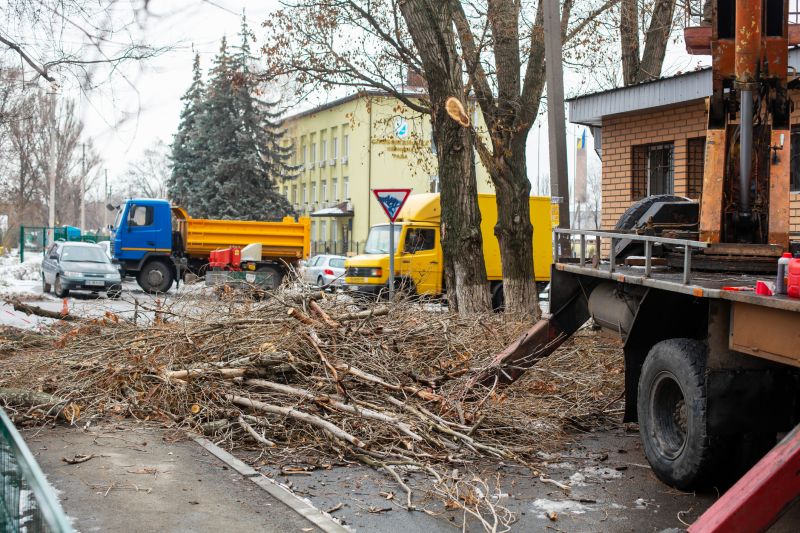
The overview below groups typical Emergency Tree Removal projects into broad ranges so you can see how smaller, mid-sized, and larger jobs often compare in your area.
In many markets, a large share of routine jobs stays in the lower and middle ranges, while only a smaller percentage of projects moves into the highest bands when the work is more complex or site conditions are harder than average.
Small Tree Removal - typical costs range from $250 to $600 for many smaller jobs, such as removing a single tree or a few small trees. Most routine projects fall within this middle range, depending on tree size and location.
Medium Tree Removal - larger trees or those in challenging locations can cost between $600 and $1,500. These projects are common for moderate-sized trees requiring more extensive equipment and effort.
Large Tree Removal - removing very large or hazardous trees often costs $1,500 to $3,000 or more. Fewer projects fall into this highest tier, typically involving complex access or safety considerations.
Full Property Clearing - comprehensive jobs that involve removing multiple trees or clearing entire landscapes can range from $3,000 to over $5,000, depending on scope and site conditions. Such projects are less frequent but necessary for extensive property renovations.
Actual totals will depend on details like access to the work area, the scope of the project, and the materials selected, so use these as general starting points rather than exact figures.
Tree Trimming and Pruning - this service involves careful cutting and shaping of trees, requiring similar planning and tool use as emergency tree removal to ensure safety and health of the trees.
Storm Damage Cleanup - removing fallen or broken branches after storms involves similar skills in safely handling hazardous tree debris and using specialized equipment.
Stump Grinding and Removal - after a tree is removed, stump grinding requires precise use of machinery, paralleling the techniques used in emergency tree extraction.
Landscape Clearing - clearing overgrown or obstructive trees and brush involves planning and equipment similar to emergency removal for safety and efficiency.
Power Line Tree Trimming - trimming trees near power lines demands careful planning and specialized tools, akin to managing trees in emergency situations near infrastructure.
Tree Health Assessments - evaluating tree stability and risk factors involves knowledge of tree structure and hazards, complementing the skills needed for emergency removal projects.
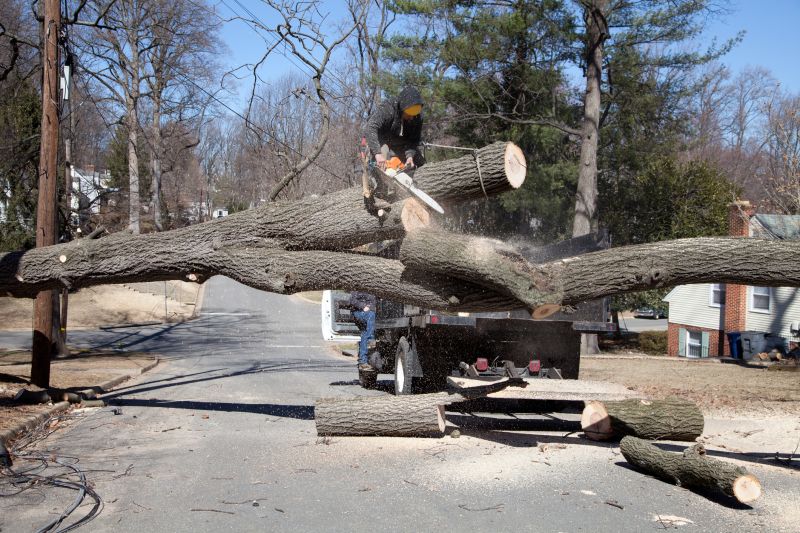
When comparing local contractors for emergency tree removal, it’s important to consider their experience with similar projects. Homeowners should look for service providers who have a proven track record of handling urgent tree removal situations, especially those involving hazardous or difficult-to-access trees. An experienced professional will understand the nuances of different tree types, site conditions, and safety considerations, which can contribute to a smoother and more efficient process. Gathering information about the types of projects a contractor has completed can help ensure they have the practical knowledge needed to manage emergency situations effectively.
Clear written expectations are essential when evaluating potential service providers. Homeowners should seek out contractors who can provide detailed descriptions of their scope of work, safety protocols, and the steps involved in the removal process. Having a transparent outline helps prevent misunderstandings and ensures that both parties are aligned on what will be done. Reputable local pros often offer written estimates or proposals that outline the services, which can serve as a useful reference when comparing options. This clarity helps homeowners make informed decisions based on the scope and approach of each contractor.
Good communication and reputable references are key indicators of a reliable emergency tree removal service. Homeowners should look for contractors who are responsive, willing to answer questions, and provide contact information for previous clients or references. Speaking with past customers can offer insights into the contractor’s professionalism, punctuality, and quality of work. While the site introduces homeowners to local options, it’s important to remember that these service providers are independent entities capable of handling the work. Comparing their experience, communication style, and references can help homeowners select a dependable partner for urgent tree removal needs.
Property owners use Emergency Tree Removal services for practical projects around their homes and businesses. This guide focuses on everyday jobs and straightforward project options.
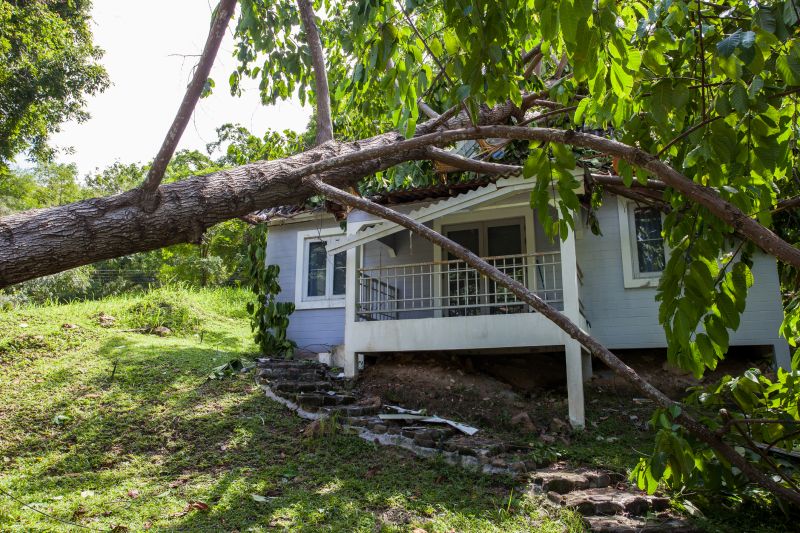
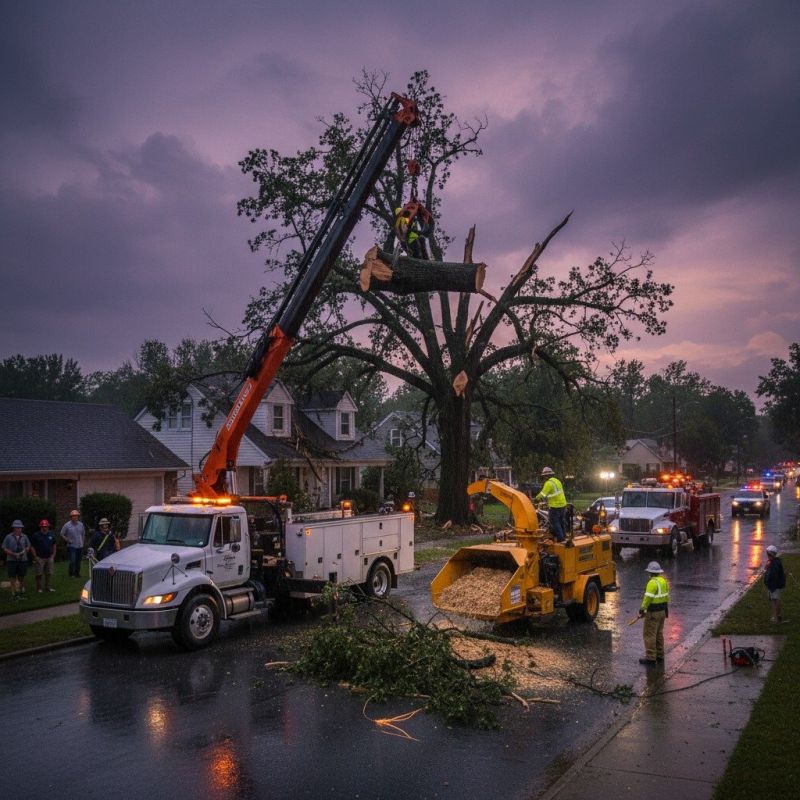
Emergency tree removal services are often needed when a tree has become hazardous due to storm damage, disease, or decay. Property owners may seek assistance to promptly remove a fallen or unstable tree that poses a risk to structures, vehicles, or people. Local contractors specializing in emergency tree removal can quickly assess the situation and safely handle the removal process to prevent further damage or injury.
In addition, property owners might look for emergency tree removal when a tree is blocking driveways, pathways, or access points after severe weather events. Dead or dying trees that threaten to fall unexpectedly can also prompt urgent requests for removal. Local service providers are equipped to respond to these situations efficiently, helping to restore safety and access around residential or commercial properties.
What are emergency tree removal services? Emergency tree removal services involve the prompt removal of trees that pose immediate danger due to damage, disease, or storm impact, helping to prevent property damage or personal injury.
When should I consider emergency tree removal? Emergency tree removal is advisable when a tree is leaning dangerously, has large broken branches, or shows signs of instability after a storm or damage, indicating an urgent need for professional assistance.
How do local contractors handle emergency tree removal? Local service providers assess the situation quickly, determine the safest removal method, and use specialized equipment to efficiently and safely remove hazardous trees or limbs.
Are there different methods used in emergency tree removal? Yes, methods vary based on the tree's size and condition, including crane removal, rigging, or cutting in sections to ensure safety and minimize property impact.
What should I do if I notice a hazardous tree on my property? Contact local contractors experienced in emergency tree removal to evaluate the tree and determine the best course of action to address the hazard promptly.
Storm Damage Cleanup - When a storm causes a tree to fall or break, local contractors can quickly remove debris to keep the property safe and accessible.
Unsafe Tree Removal - If a tree becomes diseased or structurally compromised, service providers can safely remove it to prevent potential hazards.
Property Maintenance - Regularly scheduled tree removal can help maintain the landscape and prevent overgrown or dead trees from causing issues.
Emergency Response Planning - Property owners can consult with local pros to develop a plan for quick removal of hazardous trees during severe weather events.
If you are thinking about Emergency Tree Removal for a property, this guide is meant to help you understand the work, the typical project types, and how different options might fit your plans.
When you are ready, you can use the quote form on this page to share a few details about your project. From there, local pros can review the basics and respond with options that match what you have in mind.